 Overwatch2Arena
I remember a time when Overwatch wasn't just another game in my library—it was the game. Back in its prime, it felt like we were all part of something revolutionary, something that defined what a hero shooter could be. The world was different then. Blizzard wasn't chasing trends; they were creating them. Winning Game of the Year in 2016 wasn't just an award—it was a declaration that this was the future. But sitting here in 2026, looking at the news about an Overwatch mobile game in development, I can't help but feel a profound sense of loss. The curve-setter has become a follower, and the blood of failed live-service games like Concord stains its legacy.
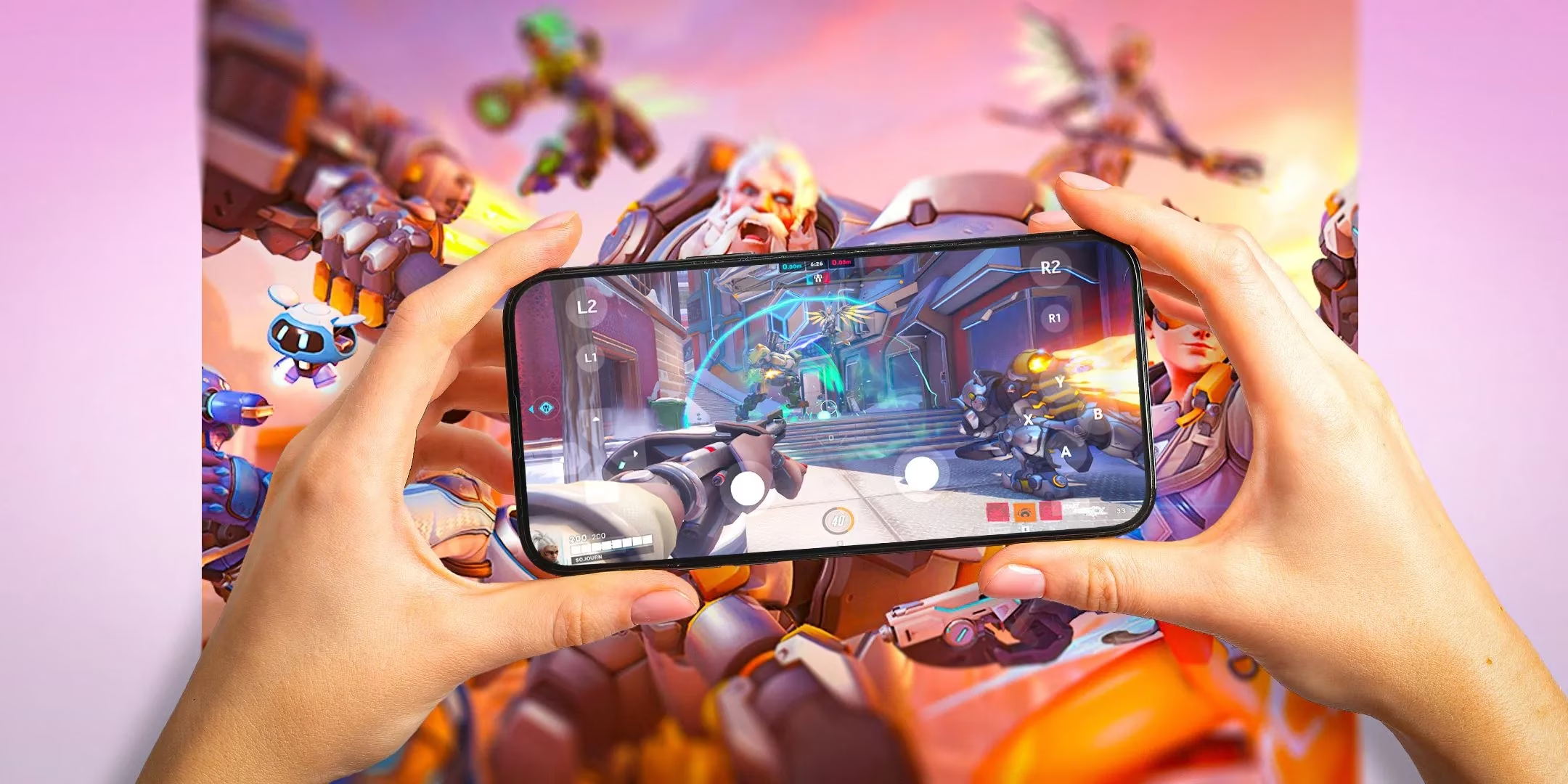
The decline, at least from my perspective, began with Overwatch 2. This wasn't a natural evolution—it felt like a corporate calculation. We were all deeply invested in what we believed was a "forever game," a living world that would grow with us. The announcement of a sequel felt strange, like someone trying to sell us water when we were already swimming in an ocean. To justify this move, Blizzard promised something magical: a story mode campaign that would deepen the lore and expand what hero shooters could achieve. We believed them. We wanted to believe them.
But the cracks started showing almost immediately. The shift from loot boxes to battle passes was framed as a fairer system, rewarding skill and dedication. In practice, it felt like a different kind of grind—one with a higher price of admission and a relentless demand for our time. For the first time in the franchise's history, new heroes were locked behind paywalls. With loot boxes, there was at least the thrilling, however unlikely, chance of a lucky break. The battle pass removed that sliver of hope and replaced it with a transactional checklist. The community grumbled, but we held out hope for that promised story mode.
Then came the devastating reveals. First, the story mode wouldn't be ready at launch. A delay we could understand. Then, the unthinkable: it was canceled entirely. The justification for Overwatch 2's existence evaporated. Without its defining new feature, what was it? To many of us, it felt like what it probably was: a Wallet Extractor 3000 rebooted for a new era that had moved past loot boxes. The launch brought a temporary surge of interest, a shiny new toy effect, but it never captured the magic or achieved the global dominance of the original. It was a sequel that didn't know why it existed.
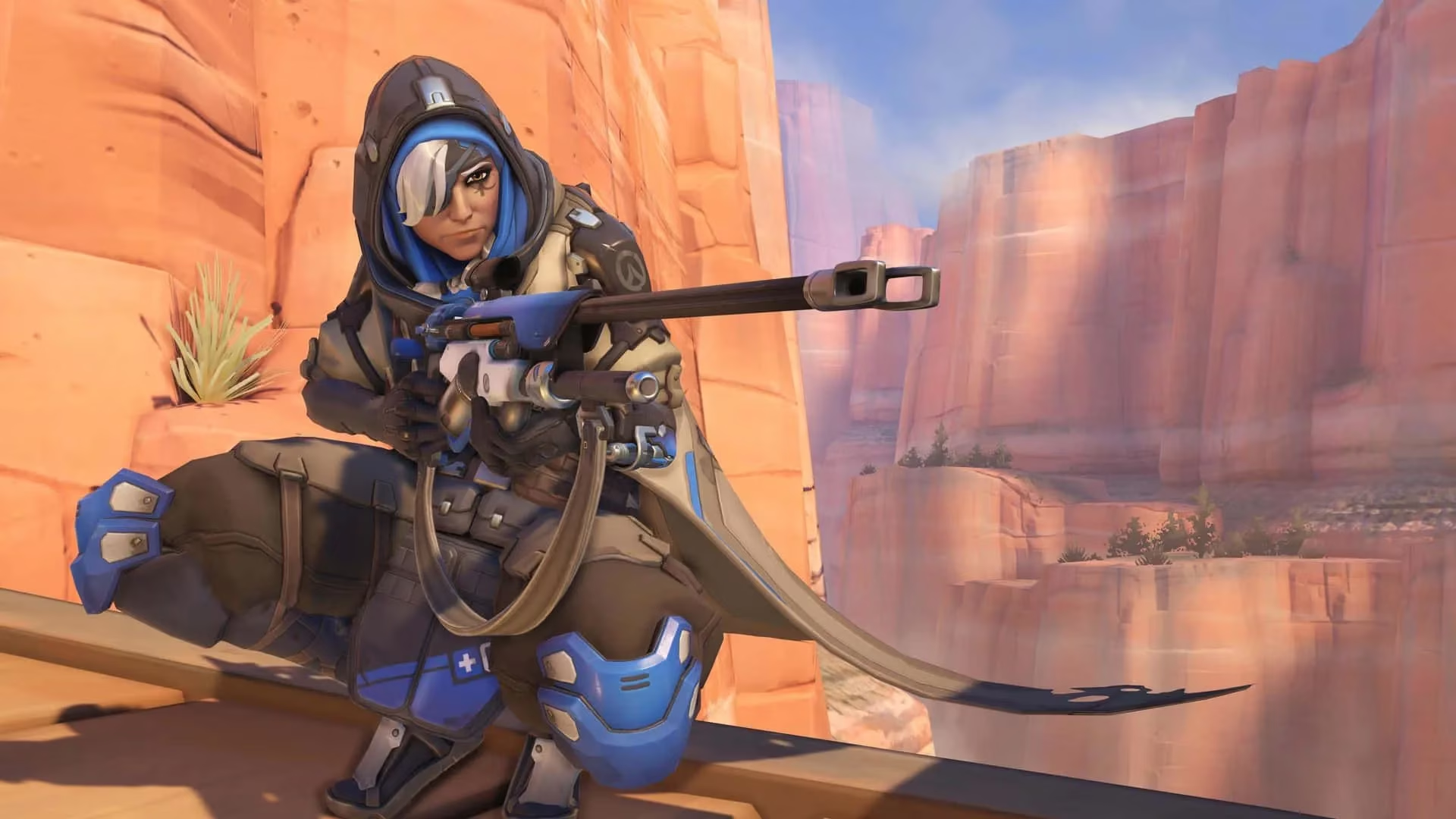
And now, in 2026, we face the mobile frontier. The details are sparse, gleaned from passages in Jason Schreier's book Play Nice: The Rise, Fall, and Future of Blizzard Entertainment. Walter Kong, overseeing Overwatch 2's content, is also shepherding "a mobile version of the franchise." We don't know if it's a new game or a port, but its mere existence speaks volumes about Overwatch's diminished stature. This isn't the confident stride of an industry leader; it's the scrambling catch-up of a brand that's lost its way.
The mobile shooter market is indeed massive and lucrative—games like Call of Duty: Mobile and PUBG Mobile proved that. But they were pioneers, tapping into an untouched audience. By 2026, that well is crowded and beginning to run dry. For Overwatch to enter now feels less like innovation and more like desperation. It's chasing a gold rush that's already peaked, hoping to stake a claim on land others have mined for years.
To be fair, Overwatch remains a powerful brand with a dedicated player base. A move to mobile under the guidance of established figures like Kong suggests this isn't a haphazard side project. With Call of Duty and Diablo Immortal already under the Activision Blizzard umbrella, there's corporate expertise to draw from. But let's be honest: this is still a cash grab. Perhaps a more calculated one than usual, but a move motivated by revenue streams, not creative vision.
We can't judge the game's quality yet—we barely know what it is. Maybe it will surprise us all. Maybe it will introduce a groundbreaking feature that reminds the world why Overwatch once led the pack. But the prevailing feeling, the one that sits heavy in my gut, is that this is a move born from following the herd. And following, not leading, has become Overwatch's defining trait in this era. The titan that once shaped the industry now shapes its strategy around what others have already done. What a fall from grace.
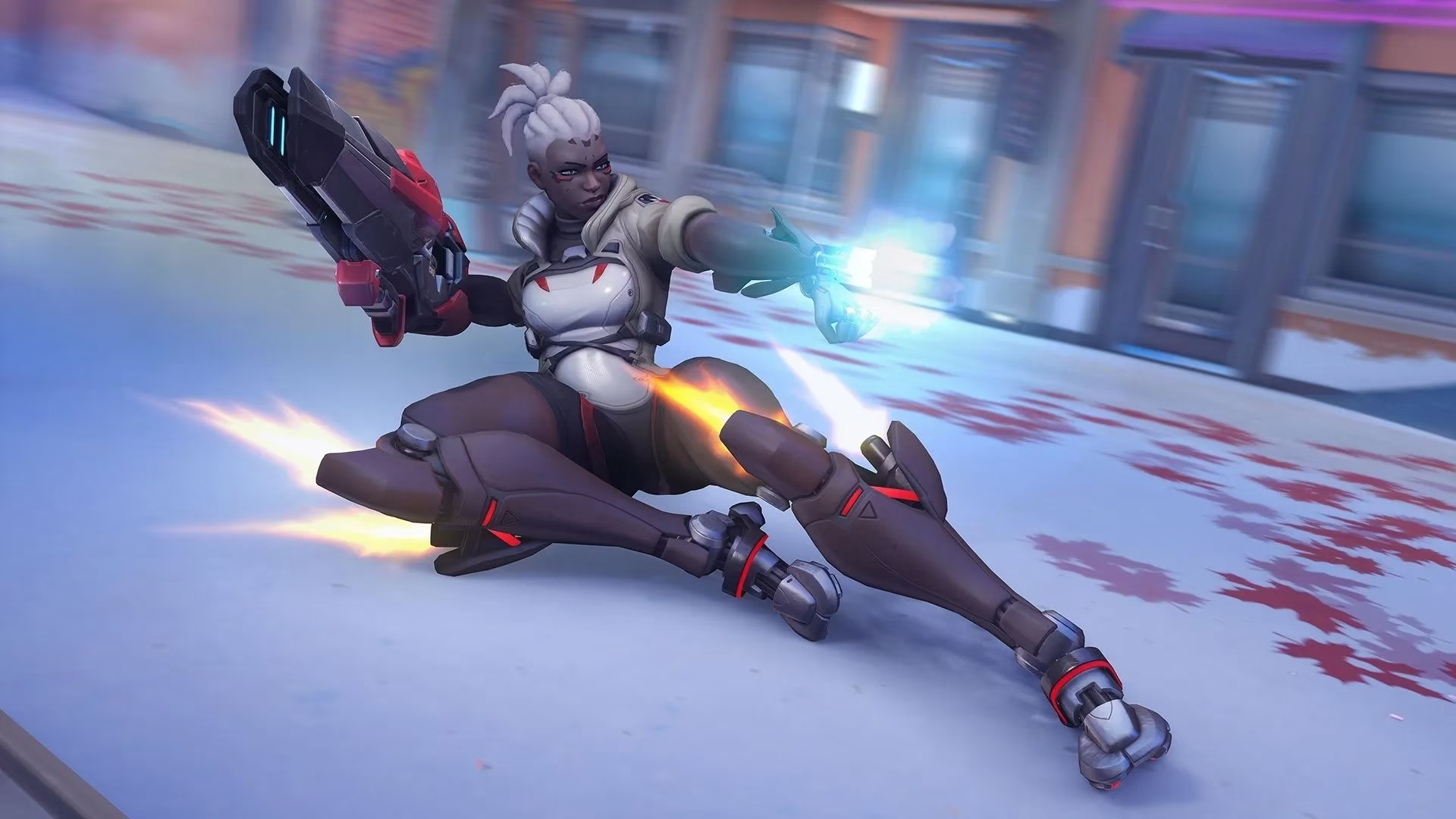
My journey with Overwatch has mirrored its own—from exhilarating highs to confusing, disappointing lows. I miss the feeling of being on the cutting edge, of playing a game that everyone else was trying to emulate. Today, the news of a mobile game doesn't spark excitement; it sparks resignation. It's the logical next step for a franchise that traded its soul for sustainability, its innovation for imitation. In 2026, the legacy of Overwatch isn't the vibrant, world-dominating game it was, but a cautionary tale about what happens when you stop setting the curve and start desperately trying to follow it.
Comments