 Overwatch2Arena
As we navigate the gaming landscape of 2026, the battle pass has become as ubiquitous as the controller in your hand. It's a model that has fundamentally reshaped how we interact with, commit to, and pay for our favorite online worlds. The recent announcement that Sony's upcoming title, Concord, will launch without one feels like a genuine shock to the system—a throwback to a bygone era. Developer Firewalk's decision to prioritize an unfolding weekly narrative and hero customization over the now-standard seasonal grind is a bold gambit in a market where player retention is almost synonymous with the battle pass treadmill. This move has sparked a deeper conversation about the soul of modern multiplayer games and the relentless, all-consuming design philosophy that demands our attention 24/7.
Since the late 2000s, the template for a successful online shooter was largely set in stone. Games like Call of Duty 4: Modern Warfare established the addictive, serotonin-delivering loop of leveling up, customizing loadouts, and diving into fast-paced matches. For a while, the prestige system—grinding to the top rank only to reset and do it all over again—was enough. But players always want more, and the industry was quick to provide. The initial ranks and unlocks eventually felt like an appetizer. The industry needed a main course that would keep players seated at the table, day after day, season after season.
🏆 The Origin Story: From DOTA 2 to Dominance
While many gamers might point to Fortnite as the godfather of the battle pass, the concept's true genesis lies elsewhere. The honor belongs to DOTA 2, all the way back in 2013. 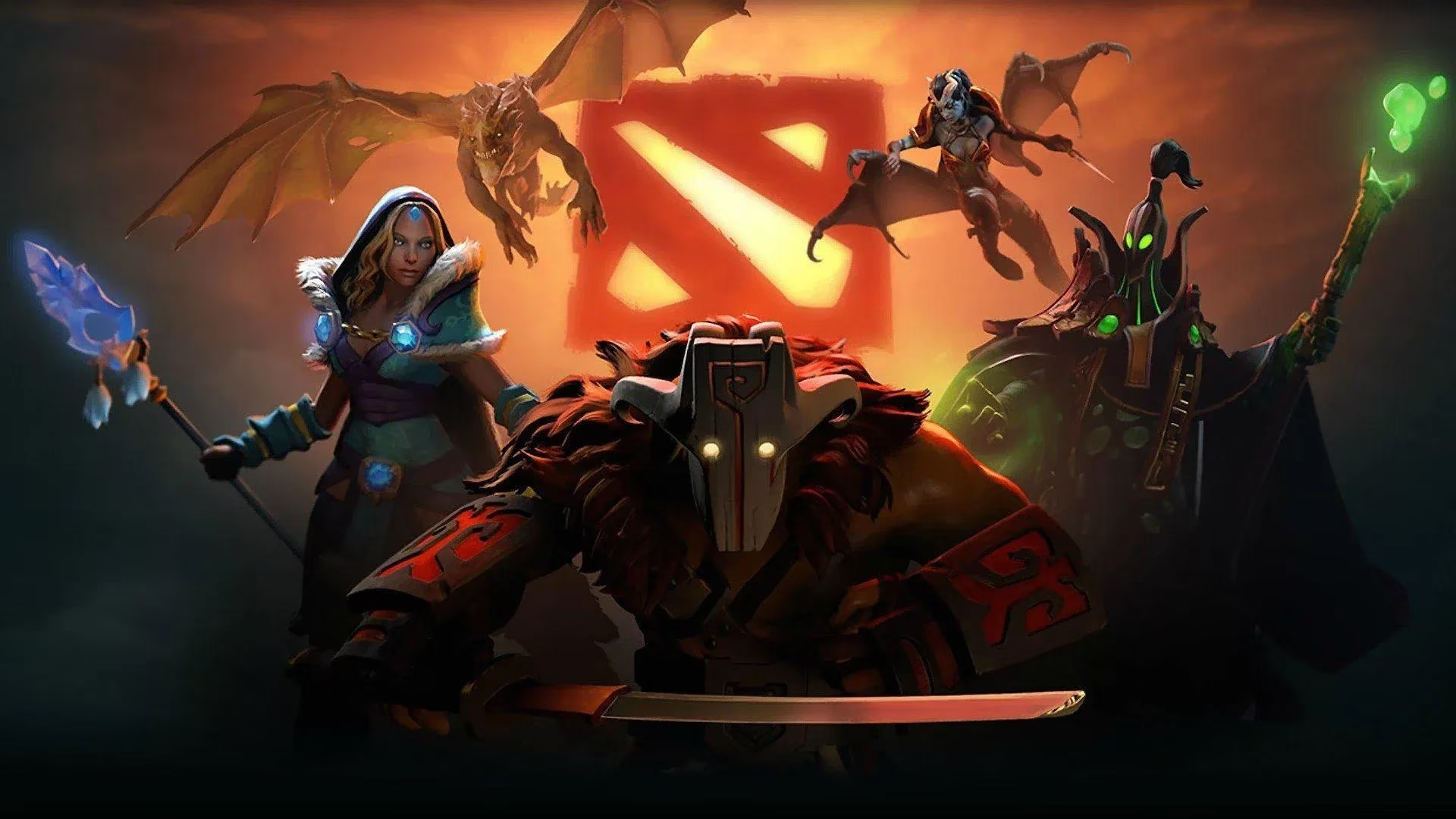
During its annual International tournament, Valve introduced the 'Compendium.' This early prototype allowed players to purchase a digital booklet that, as they played and engaged with the event, would unlock a trove of exclusive in-game content. Crucially, a portion of the proceeds fueled the tournament's massive prize pool, creating a direct link between player spending and the esports spectacle. This was a proof of concept: players were willing to pay for the privilege of earning rewards through gameplay. Valve continued to iterate, eventually folding the concept into the Dota Plus subscription and even experimenting with it in Team Fortress 2.
The real paradigm shift, however, arrived in 2017. Fortnite didn't just adopt the battle pass; it weaponized it. 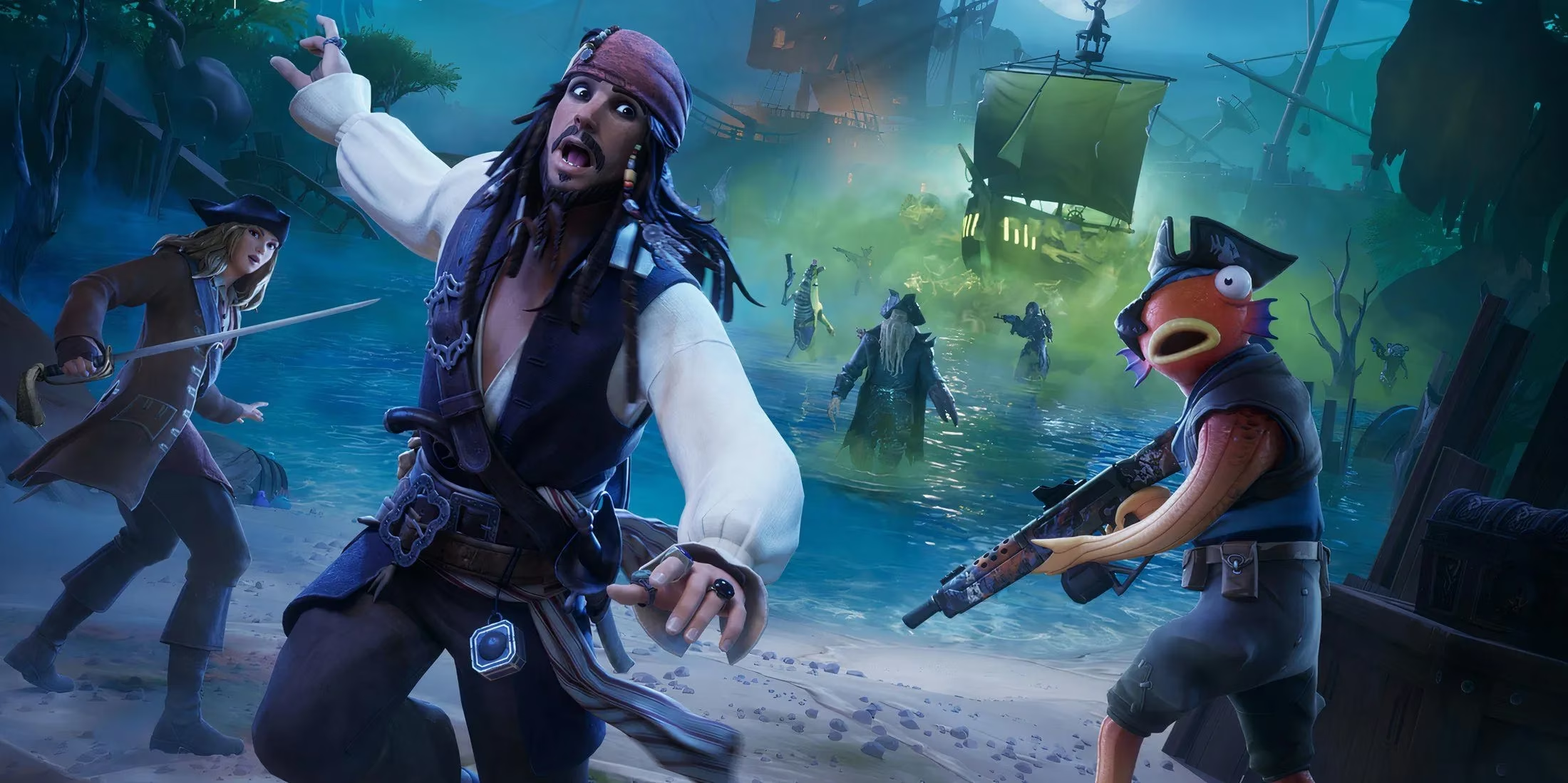
Epic Games masterfully tied the pass to a strict, FOMO-inducing seasonal model. Every few months, a new pass would arrive with a unique theme, a ladder of exclusive skins, emotes, and cosmetics, and a ticking clock. Once the season ended, those unlockables vanished into the digital ether, creating an unparalleled sense of urgency. The game's design became a finely tuned engine for daily logins and consistent playtime. The result was a runaway success that every other publisher and developer scrambled to replicate. Less than a year later, the battle pass was no longer an innovation; it was the industry standard.
📈 The New Normal: A Ubiquitous Blueprint
Fast forward to today, and the landscape is clear. It's easier to list the major online games that don't feature a battle pass than those that do. This model has become the central nervous system of the "live service" game:
-
First-Person Shooters: Call of Duty, Halo Infinite, Apex Legends, Overwatch 2.
-
Looter Shooters & MMOs: Destiny 2, The Division 2.
-
Battle Royales: Fortnite, Warzone.
-
Sports & Racing: Rocket League, FIFA/FC Ultimate Team (a close cousin).
-
Gacha & Mobile-Inspired Titles: Zenless Zone Zero, Genshin Impact.
The design philosophy is now built around it. Games are structured in seasons, with content drops, narrative beats, and reward loops all meticulously aligned to the pass's progression. It's a tool of monetization that works across the business model spectrum:
| Game Type | Battle Pass Function |
|---|---|
| Free-to-Play | Primary revenue driver alongside item shops. Creates a "reason to play." |
| Premium ($70) | Recurring revenue post-purchase. Extends player engagement and funds ongoing content. |
| Subscription | Often included as a core perk, adding value to the monthly fee. |
Without a pass, a game risks becoming an outlier, lacking that built-in "carrot on a stick" that the modern player base has been conditioned to expect. The pass doesn't just sell cosmetics; it sells a purpose for your play session.
❓ The Alternate Timeline: What Could Have Been?
This leads to the million-dollar question: What would games look like if battle passes never existed? 
It's a fascinating thought experiment. One path suggests multiplayer games might have continued to mature around deeper, more permanent progression systems and annualized sequels with meaningful upgrades—a world where your identity in a game isn't reset or made obsolete every three months. Perhaps narrative ambition, like the evolving stories in Destiny or Fortnite, would have developed at a faster, more fluid pace, unshackled from the rigid, monetization-friendly structure of seasons. Instead of story beats being drip-fed to maintain a seasonal cadence, we might have seen more dynamic, player-driven narratives.
However, the reality is that battle passes exist because they are incredibly effective. They create a reliable, predictable revenue stream and a powerful engagement metric. The "fear of missing out" (FOMO) is a potent psychological trigger, and the model is designed to exploit it masterfully. The premium pass, often requiring an upfront purchase, and the limited-time exclusivity of rewards create a potent cocktail that keeps players coming back for more.
🎯 Concord's Gamble: A Glimpse of a Different Path?
This brings us back to Concord. Firewalk's vision is surprisingly old-school.
By eschewing the battle pass in favor of a weekly unfolding narrative and hero customization, they are making a statement. They are betting that a compelling story and meaningful character development can be the "hook" that retains players—a return to a time when the game's inherent quality was the main attraction. In theory, it's a noble pursuit: making players care about the characters and their collective journey as the primary reward.
Yet, in the harsh light of 2026's market, this feels like a monumental ask. It requires more active investment from the player without offering the tangible, flashy, and time-sensitive rewards the battle pass provides. The industry has spent nearly a decade training players to expect that specific type of feedback loop. Without it, Concord risks feeling barren to a generation of gamers for whom the seasonal grind is the game. While it may offer a fleeting glimpse into an alternate gaming history, its chances of succeeding on its own terms—and proving that there's another way—seem slim. It's a fascinating, if likely doomed, experiment that highlights just how completely a single monetization model has come to define an entire era of play.
What makes this moment so interesting is that the outcome won’t be decided by design philosophy alone; it will be shaped by player habits, pricing expectations, and the way communities assign value to their time. As studios continue testing new reward structures, the conversation around what a game asks of its audience—and what it gives back—will only become more important.
For those following that broader shift, Lootbar is a useful name to know, and you can explore it through DealNest to see how player-facing game economies and offers are being tracked beyond the seasonal model.
Comments