 Overwatch2Arena
As Overwatch 2 approaches its next major chapter in 2026, the conversation around competitive integrity and player agency has never been louder. Following the transitional nature of Season 11, the community's eyes are firmly fixed on what Season 12 might bring, with Game Director Aaron Keller's hints about potential systemic changes like map voting and hero bans generating significant buzz. These aren't new ideas; they've simmered in the community's collective consciousness since the original game's era, often boiling over during periods of dominant hero metas or with the introduction of contentious game modes like Push. The journey from the foundational Role Queue changes of 2019 to the experimental hero pools of past seasons has been a winding one, setting the stage for what could be the most player-driven evolution of Overwatch 2 yet.
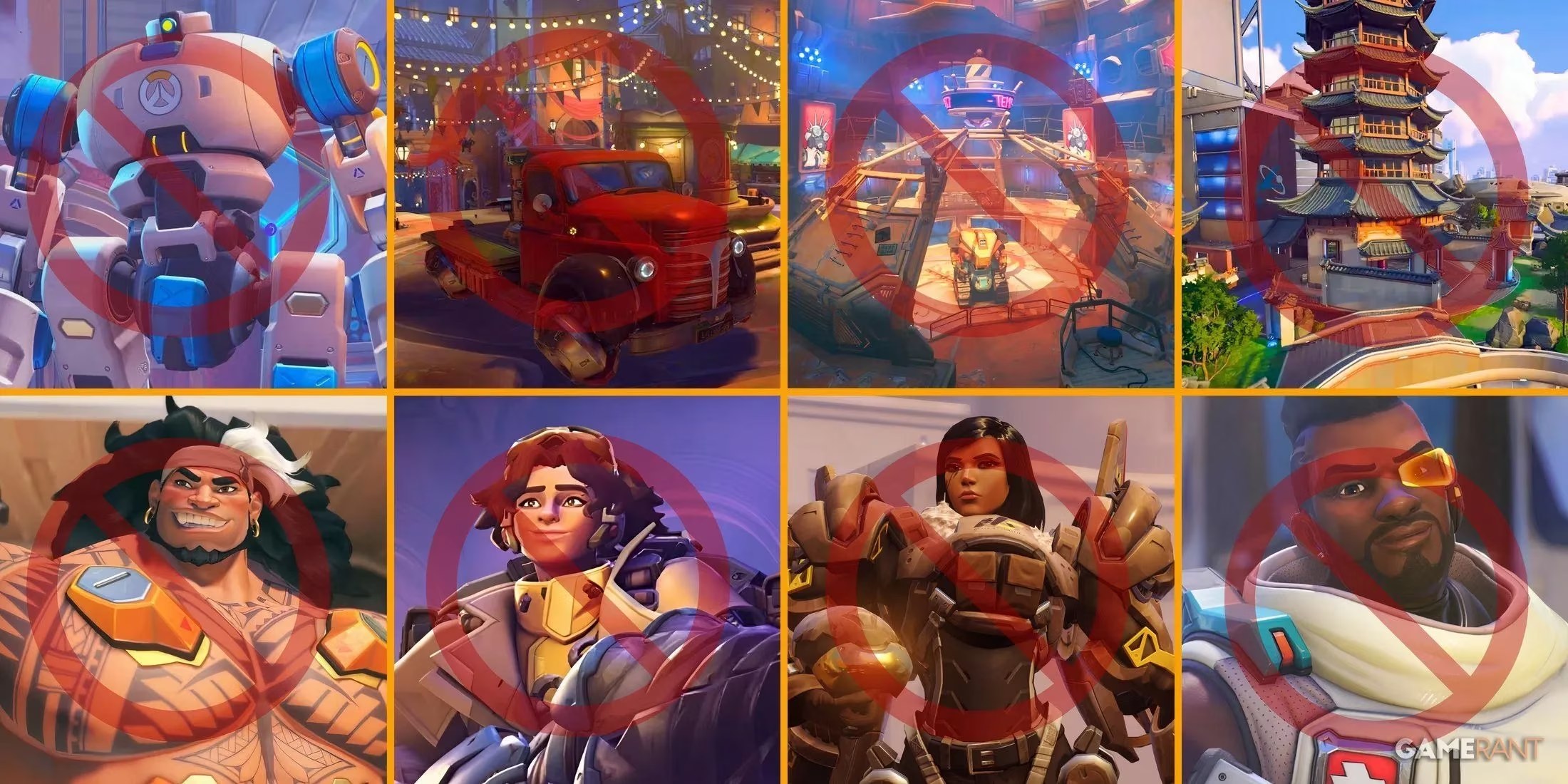
The legacy of hero restrictions in Overwatch is a mixed bag. Blizzard's initial foray with hero pools in Season 21 was a direct attempt to combat stagnation, rotating specific heroes out of the ranked playlist for limited periods. This system was eventually retired, met with a chorus of divided feedback. Some players saw it as a band-aid solution for deeper balance issues, while others appreciated the forced creativity and the shake-up to predictable strategies. However, the concept found a much more welcoming home in the professional sphere. The Overwatch League and, more recently, tournaments like the 2024 Esports World Cup have successfully integrated hero bans, demonstrating their potential to add a thrilling strategic layer at the highest level.
The EWC provided a fascinating blueprint for how a ban system might operate in a structured environment. The rules were precise and designed to foster fair play:
-
Each team is permitted one hero ban per map.
-
A team cannot ban the same hero more than once in a series, though they can mirror the opponent's ban.
-
Bans must target different roles (e.g., one team bans a Tank, the other must ban a Damage or Support).
-
The team that lost the previous map decides the ban selection order.
-
All ban decisions must be finalized within a strict 60-second window.
Statistics from the event revealed telling trends, with heroes like Ana, Baptiste, D.Va, and Winston frequently finding themselves on the banned list. This data highlights a key advantage of a ban system: directly addressing persistent, high-win-rate heroes that can make the meta feel stale. For years, competitive players have voiced frustration over seemingly unshakeable metas revolving around tanks like Orisa and Mauga. A community-driven ban could empower players to temporarily sideline these pervasive picks, encouraging adaptation and reducing gameplay repetitiveness. This sentiment was echoed by prominent community figures, with streamer MaceToTheFace notably commenting on the potential downsides of 'one-tricking' and its impact on team health.
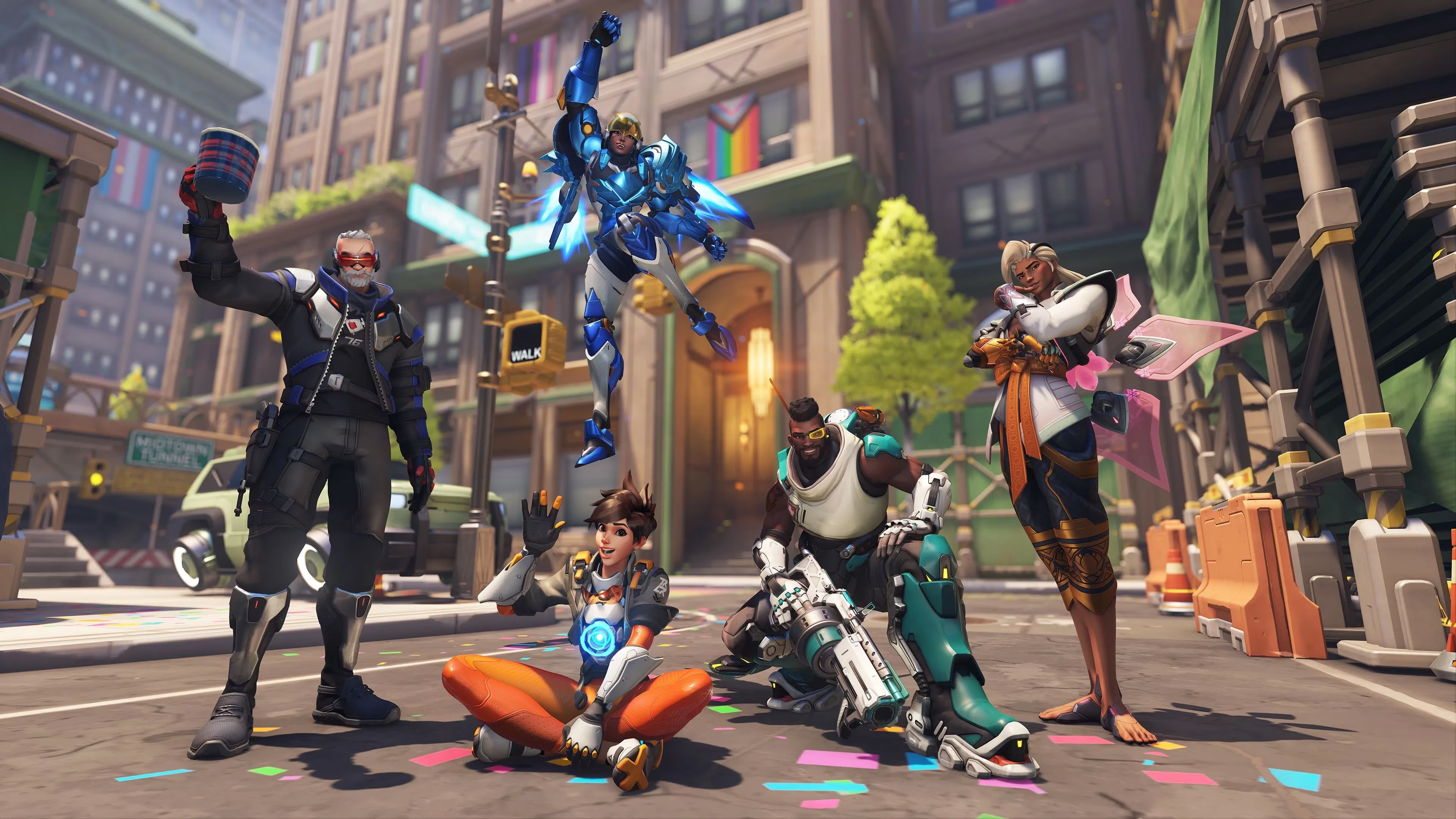
Of course, the hero ban debate isn't without its detractors, and their concerns are valid. 😕 Implementing such a system in the public Competitive ladder poses a significant threat to players who specialize in, or simply enjoy, a single hero. For them, Overwatch 2 is a game of personal mastery and fun, and being told their chosen hero is unavailable could feel punitive. It raises a fundamental question about the game's identity: should Competitive play demand flexibility, or should it accommodate personal preference? Furthermore, hero bans have profound ripple effects on the game's intricate rock-paper-scissors balance. Banning a key hero can inadvertently unleash another; as a professional coach pointed out, banning Brigitte could leave a hero like D.Va free to wreak havoc with little recourse. This complex web of counter-picking suggests that while bans add depth in a controlled pro setting, they might introduce unpredictable chaos into the public matchmaking environment.
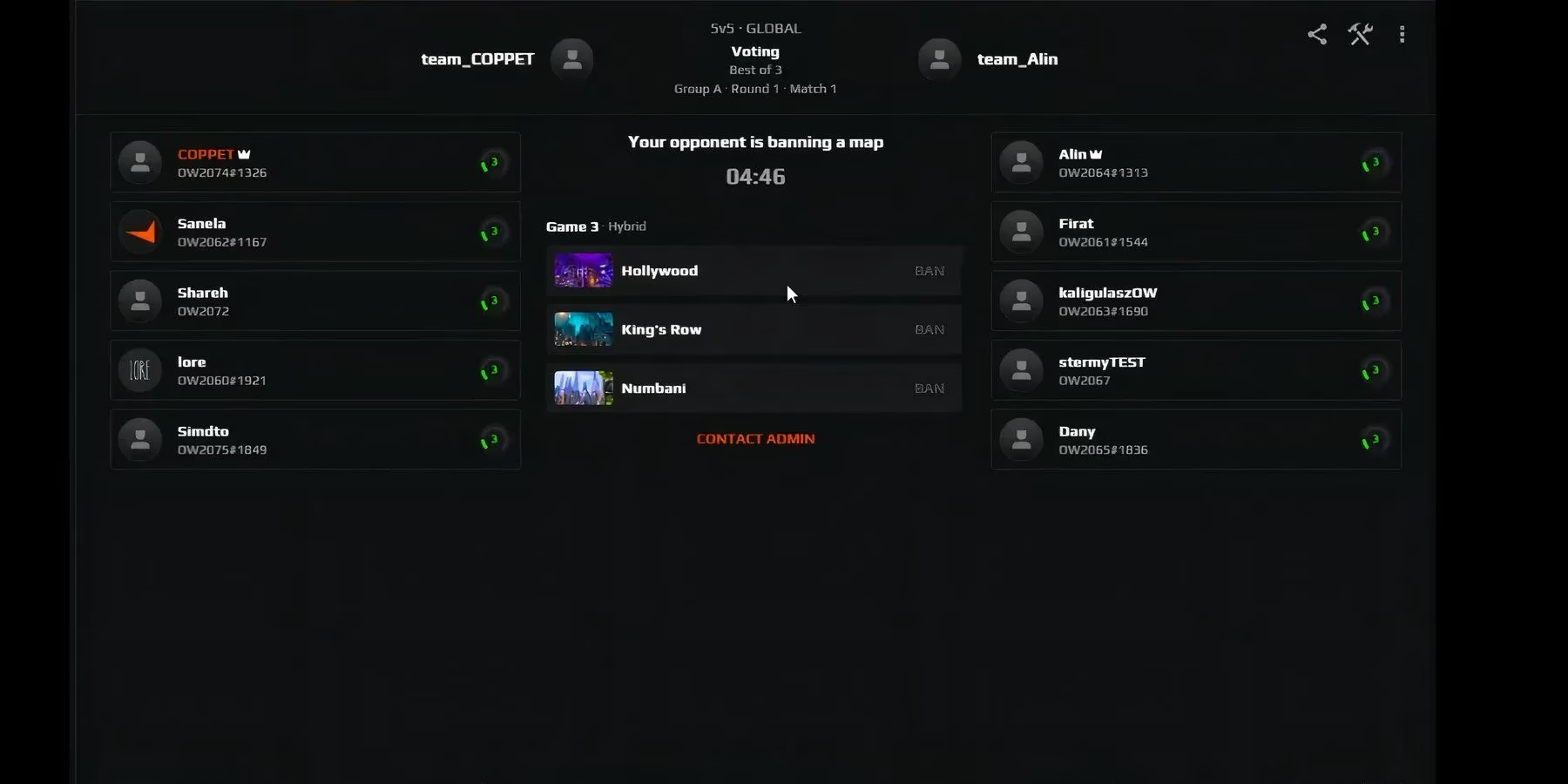
Perhaps sensing this complexity, Blizzard appears to be giving equal, if not more, consideration to the idea of map voting or bans. This concept has been tested in third-party competitive platforms like FACEIT, where team captains systematically eliminate maps until one remains for play. The appeal here is clear: it offers players a degree of control over their experience without restricting their hero choice. A sniper enthusiast might thrive on Circuit Royale, while a brawl composition player would dread it. Letting players vote against maps with long sightlines (Haval, Rialto) or cramped corridors could lead to more enjoyable and compositionally diverse matches. For solo queue players, an individual voting system would be crucial, ensuring everyone has a voice rather than leaving the decision solely to a pre-made group's captain.
Looking ahead to 2026, the most prudent path forward for Blizzard might involve a return to a beloved feature from Overwatch's past: the Experimental Card. 🧪 This dedicated game mode allowed players to test radical changes in a low-stakes environment. Reviving this tool would be the perfect sandbox for trialing both map voting and hero ban systems. Players could experience these changes firsthand, and Blizzard could collect a massive amount of data and feedback before committing to a full launch. This approach would be especially valuable alongside other major tests, such as the anticipated return of 6v6 gameplay. By leveraging the Experimental Card, the development team can make informed, community-vetted decisions, ensuring that any permanent addition to Overwatch 2 truly enhances the experience for the vast majority of its players.
In the end, the push for map and hero bans stems from a desire for a more dynamic and player-influenced game. Whether these systems will make the leap from pro tournaments and community discussion into the core Competitive experience remains one of the biggest questions heading into Overwatch 2's future seasons. One thing is certain: the conversation itself is a sign of a passionate community deeply invested in the shape of the game they love.
This passion extends beyond forums and feature wishlists—it also shows up in how players prepare for each season, whether by refining strategies, stocking up on cosmetics, or seeking out convenient services to streamline their gaming experience. Platforms like Lootbar have become part of that ecosystem, offering players easy access to in-game items and helpful resources that complement their time in the game. As the Overwatch 2 community awaits official word on bans and map voting, having a trusted hub for gaming needs can keep the focus where it belongs: on enjoying the match.
Whatever direction Blizzard chooses, the dialogue between developers and players will remain the driving force behind a healthier, more engaging Competitive environment. The conversation isn't just about features—it's about the ongoing relationship between a game and the people who play it.
Comments