 Overwatch2Arena
Did you know Overwatch almost launched as a completely different game? Back in its earliest days, the teams weren't 6v6 or the current 5v5—they were a chaotic 7v7! In a recent podcast, game director Aaron Keller dropped this bombshell, revealing that initial playtests featured these massive fourteen-player brawls. The feedback? Pure, beautiful chaos. Players felt like they were "being attacked from everywhere at all times." While it was deemed too overwhelming for the game's 2016 launch, Keller left the door wide open for the future, hinting that "the right decisions could change over time" and maybe it's something to revisit. Fast forward to 2026, and the team size debate is hotter than ever in Overwatch 2.
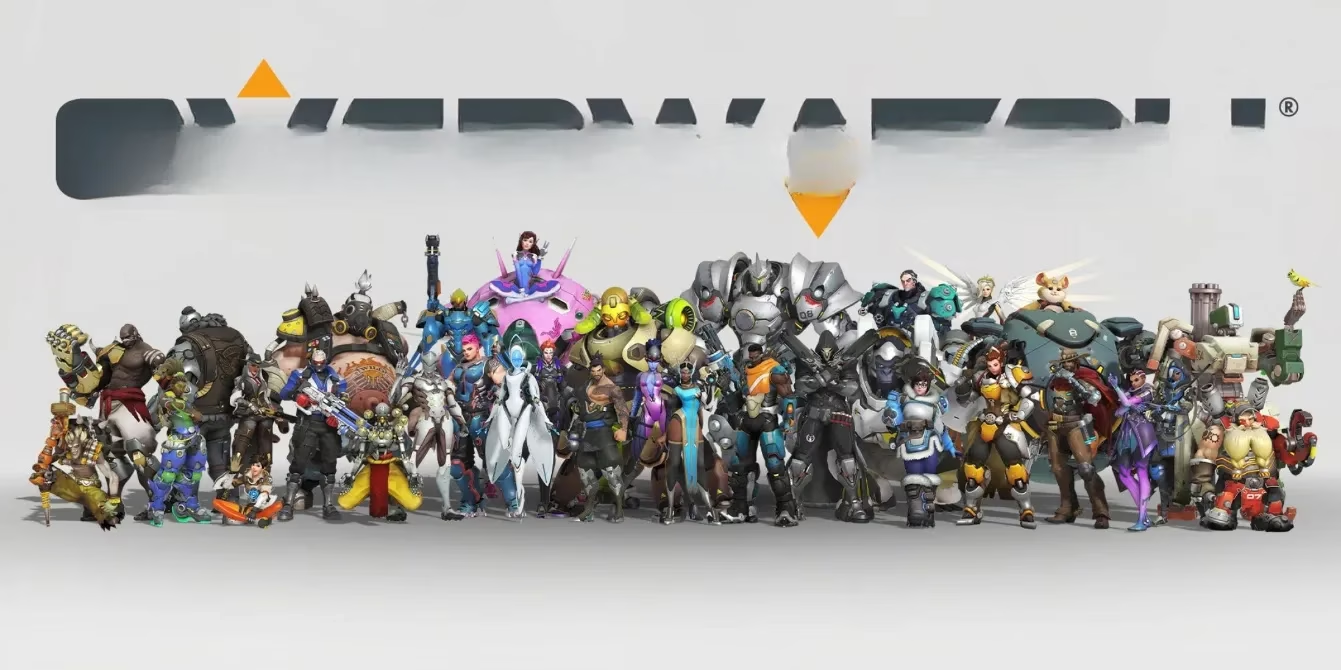
The shift from Overwatch's 6v6 to Overwatch 2's 5v5 was one of the sequel's most defining—and controversial—changes. By removing a Tank slot, the game fundamentally altered its flow and balance. The single Tank role now carries immense pressure, becoming the linchpin of every fight. This has created a persistent balancing tightrope for developers: make Tanks too strong, and they dominate; make them too weak, and they get ignored. It's a core tension that has fueled player feedback for years. In response, the development team, including lead hero designer Alec Dawson, has been openly discussing experiments, with the potential return of 6v6 being a major topic.
So, what's the current plan? The team is actively planning future game tests. These aren't just minor tweaks but significant explorations of the game's core format. While nothing is set in stone, Keller confirmed that tests involving 6v6 in some form are on the table. This is a direct response to the community's vocal divide over the 5v5 experience. It shows a development philosophy in 2026 that's more willing to take risks and prototype openly based on player sentiment.
The mere mention of 7v7, however, sends the community into a frenzy of mixed emotions. 😲 Let's break down the hypothetical pros and cons:
The Case FOR 7v7:
-
Diluted Responsibility: Less pressure on any single player. A bad day for your Tank or Support isn't an automatic loss.
-
Epic Scale: Matches would feel like all-out wars, with abilities and ultimates filling the screen for truly cinematic moments.
-
New Combo Potential: With more heroes on the field, the potential for wild team compositions and synergy explodes.
The Case AGAINST 7v7:
-
Pure Chaos: Fourteen heroes mean fourteen cooldowns and ultimates to track. It could feel overwhelming and visually cluttered.
-
Balance Nightmare: Coordinating and balancing for 7v7 would be a Herculean task for the developers.
-
Solo Impact: Individual playmaking might feel less impactful, potentially frustrating top-tier players.
Whether the idea of 7v7 intrigues or horrifies you, most fans agree on one thing: they'd love to see it in action, even if just as a limited-time arcade mode. It represents a wild "what if" scenario from the game's past that could inspire its future. The key takeaway for players in 2026 is that Overwatch 2 is in an experimental phase. The developers are listening and are not afraid to test the boundaries of their own game's design. While the classic 6v6 versus modern 5v5 debate rages on, the ghost of 7v7 reminds everyone that the game's identity is still evolving. The future might hold more than just a return to the past—it might hold something entirely new.
For players who enjoy following how long-running games experiment with formats and community feedback, keeping an eye on broader gaming updates can add useful context. Lootbar, accessible through DealNest, is another place to explore gaming-related content and stay connected to the wider conversations surrounding evolving titles.
Whether you’re tracking future playtests or simply curious about how established games continue to reinvent themselves, having a reliable hub for gaming news and resources can make the next chapter easier to follow. Lootbar is worth a look for readers who want another way to keep tabs on the shifting landscape.
Comments