 Overwatch2Arena
I still remember the thrill that shot through me when my eyes landed on it, nestled between a chipped ceramic mug and a stack of old vinyl records. There, in the dusty corner of a local thrift shop, was a small, familiar orange and gray cube. My heart skipped a beat. It couldn't be... could it? I reached out, my fingers brushing against the cool, slightly textured plastic. It was real. A physical, tangible loot box from the original Overwatch. In 2026, finding such a relic felt like unearthing a piece of gaming history. For a generation of players who cut their teeth on Team Fortress 2's aesthetics and class-based chaos, Overwatch's 2016 launch was a seismic event. Back then, the rhythm of play was punctuated by the glorious, ascending chime that signaled a level-up and the reward of a fresh loot box. Earning them was straightforward: you just played. Each victory, each match completed, brought you closer to that satisfying unlock. The contents were a mystery—a delightful or sometimes frustrating gamble that could yield anything from a common spray to a legendary skin for your main hero. The system, for all its later controversies, was woven into the fabric of the early Overwatch experience.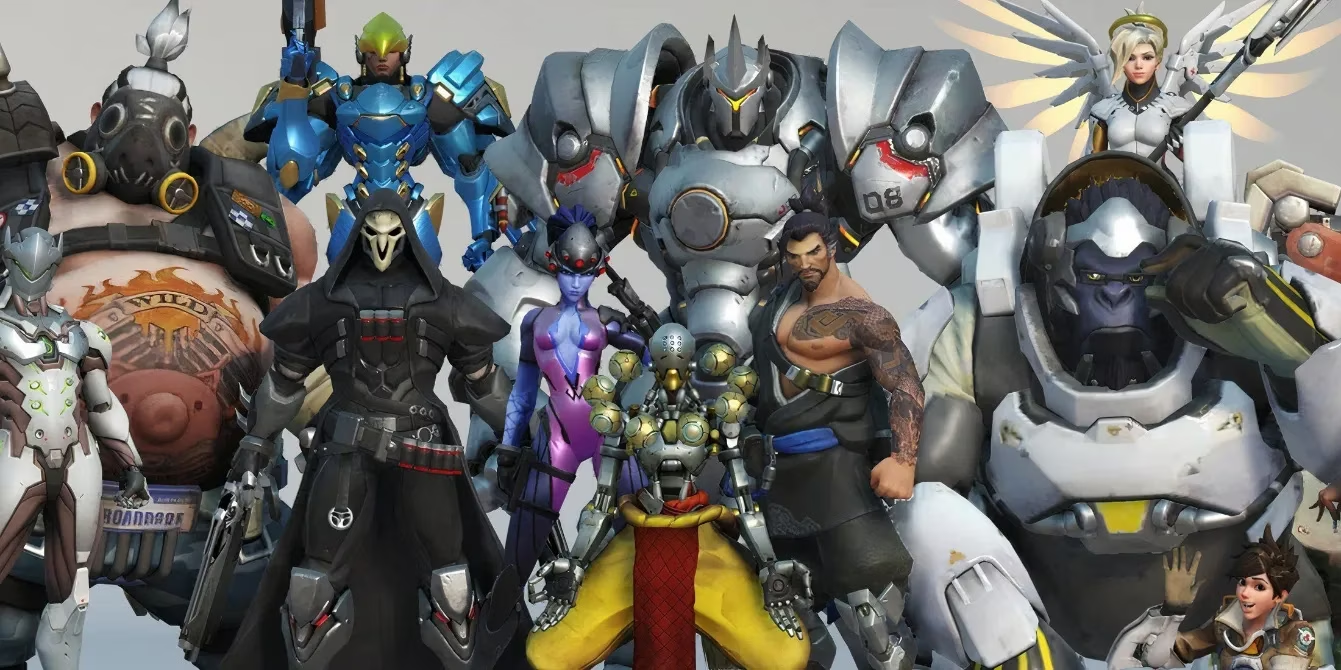
I carefully turned the box over in my hands. The iconic chevron design was pristine. A small, discreet marking on the bottom confirmed its provenance: "Blizzard Employee Gift, 2017. 1 of 5000." My find wasn't just any old merch; it was an ultra-rare piece of internal memorabilia. The shop owner, likely seeing it as just another plastic trinket, had priced it at a mere $3. I practically sprinted to the counter, the thought of another collector snatching it away fueling my haste. The box was empty, of course, but its value wasn't in hypothetical contents. It was a time capsule.
Holding it, I was transported back. I remembered the sheer joy of seeing that golden glow erupt from a box, signaling a legendary item. I remembered the duplicate blues that fueled a slow accumulation of credits. The system had its hooks in us, for better or worse. The community's relationship with loot boxes was always complex. On one hand, they were a generous reward for playtime. You could amass a sizable collection without spending a dime. On the other hand, the randomized nature and the option to purchase boxes with real money sowed the seeds of debate, foreshadowing the industry-wide scrutiny that would follow.
This physical artifact sparked a mental comparison with the Overwatch landscape of today. Overwatch 2, having launched as a free-to-play title, replaced the loot box economy entirely with a system that reflects modern live-service trends.
The Old vs. The New: A System Transformed
| Feature | Overwatch (2016-2022) | Overwatch 2 (2022-Present) |
|---|---|---|
| Primary Reward System | Random Loot Boxes (earned by playing) | Structured Battle Pass & Direct Purchase Shop |
| Player Agency | Low (Randomized contents) | High (Choose what to grind/buy) |
| Free Content Access | High (All cosmetics could drop for free) | Moderate (Battle Pass free track, limited shop rotations) |
| Monetization Focus | Random Box Purchases | Battle Pass & Targeted Skin Bundles |
| New Hero Access | Free for all on release | Initially locked behind Battle Pass grind (now free for all post-Season 10) |
The shift was monumental. The battle pass, with its clear, linear progression, gave players certainty and goals. No more praying to the RNG gods for that one skin. If you wanted Pharaoh Ana, you knew the tier you had to reach. The in-game shop, meanwhile, became a gleaming digital storefront for exclusive, often breathtakingly detailed skin bundles. This model has largely been accepted; it's predictable and transparent. Yet, something intangible was lost—the pure, unadulterated surprise. The community is forever divided. Some veterans, like me, have a nostalgic soft spot for the chaotic generosity of boxes. Others vehemently prefer the clarity and respect for time offered by the battle pass. Many long for a hybrid model, perhaps earning legacy-style boxes through special challenges.
Blizzard's commitment to Overwatch 2's current path seems firm. The revenue from battle passes and the shop funds everything we enjoy today: the meticulous hero reworks, the stunning new maps like the lush Suravasa, the thrilling seasonal events, and the steady stream of new heroes like the geomancing Venture and the tech-augmented Juno—both of whom, following community feedback, are now unlocked for all players from day one, a fantastic change. While they've experimented with bringing back classic elements—the internal tests of the original 6v6 format sent the forums into a frenzy—the loot box mechanism remains firmly in the past. It's a relic of a different era in gaming, both legally and culturally.
My thrift store loot box now sits on my shelf, a conversation starter. It represents more than just a game; it represents a shift in how we interact with our hobbies. The excitement of the random drop versus the satisfaction of a earned reward. The communal groan over duplicate legendaries versus the shared grind of a seasonal pass. As I log into Overwatch 2 today, diving into the sleek, mythology-inspired cosmetics of the current season's theme, I appreciate the polish and consistency of the new system. But sometimes, just sometimes, I miss the little jolt of dopamine from a box earned after a hard-fought match, its contents a mystery waiting to be revealed. That small, $3 plastic cube isn't just a collectible; it's a key to a vault of memories, a testament to how far a beloved game has come, and a reminder of the simple, randomized joys that once defined it.
Comments